- -30%
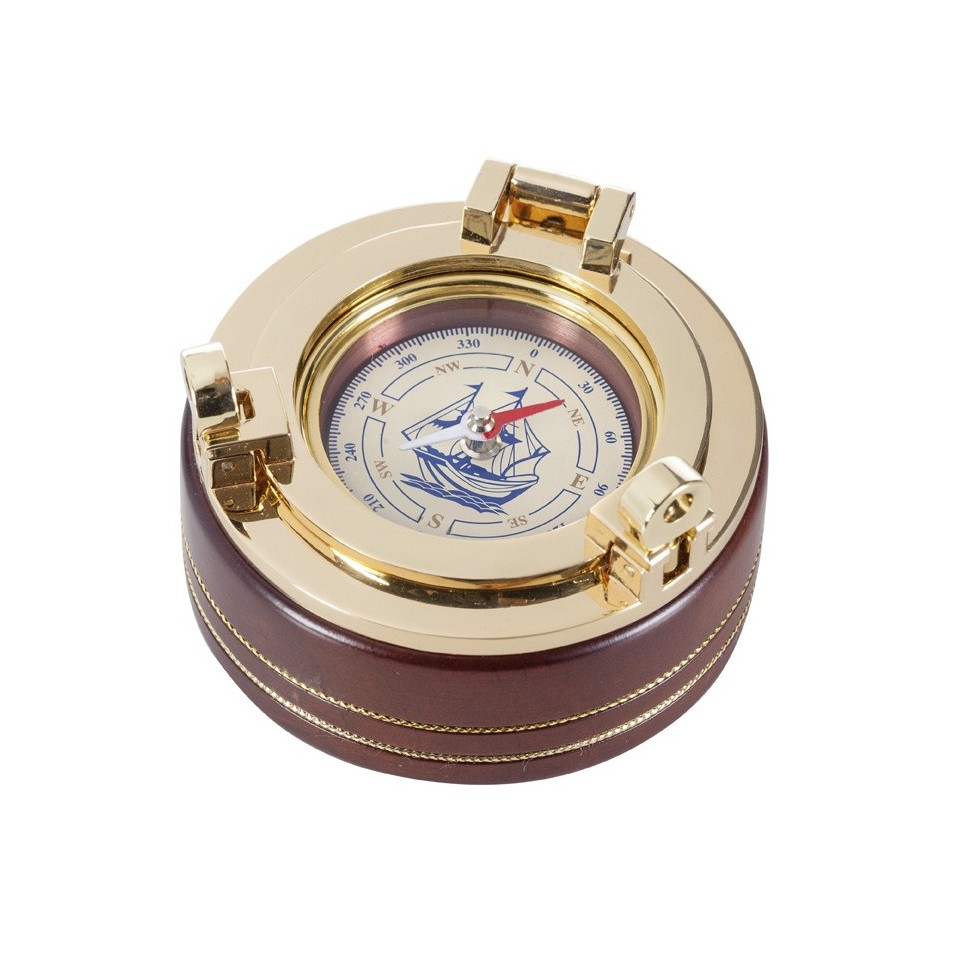
Brass porthole compass with wooden base.
PORTHOLE COMPASS.
The compass (from the Latin "passus" ("step")) opened up the world to exploration and discovery. The principle of the magnetic needle was already known to the Chinese in the 3rd century BC and was first used by feng shui priests to tell them where and how to build. It was adapted to maritime navigation by Chinese sailors around the year 1000. The first compasses comprised a magnetic needle floating in a bowl of water, with the needle suspended on a thread or threaded through a reed. The Arabs perfected this by mounting the needle on a pivot. The compass arrived in Europe between the 10th and 11th centuries, enabling sailers to cross the oceans and explorers to discover the continents. The first instrument to resemble the modern compass is attributed to Portuguese citizen Ferrande (1483).
Brass compass with wooden base.
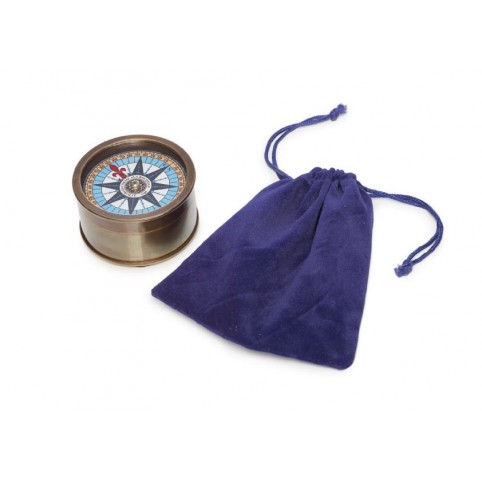
Antiqued brass compass with lovely compass rose. Comes with navy blue velvet bag.
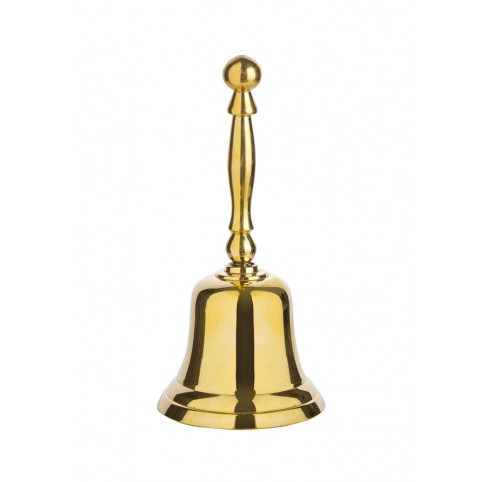
Small marine table bell made of polished and varnished solid brass.
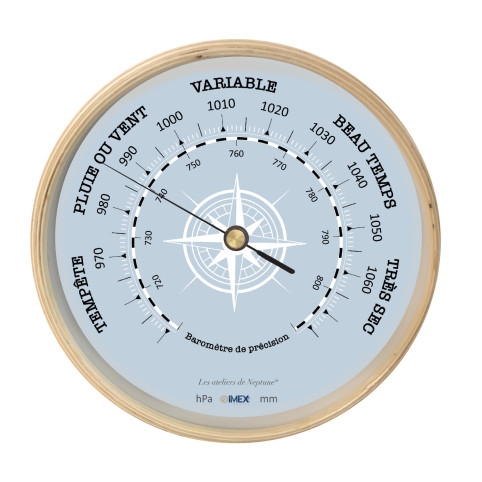
Precision IMEX MARINE barometer with a light wood frame, featuring an elegant and timeless design. Its light blue dial, decorated with a compass rose, includes an easy-to-read barometric scale with the indications Tempête, Pluie ou Vent, Variable, Beau Temps et Très Sec. Both decorative and functional, it allows you to monitor changes in...
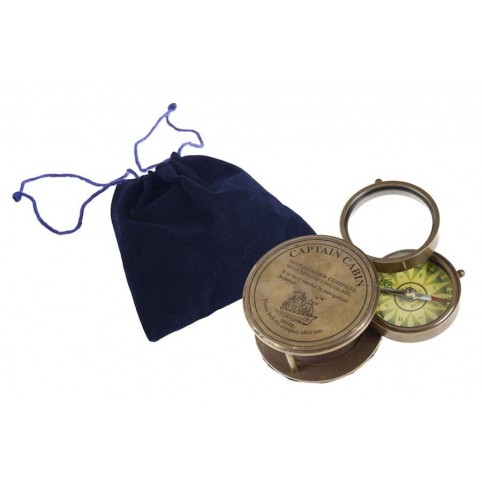
Old brass compass with glass magnifier and rotating lid to protect the glass. Comes in an attractive blue velvet bag.
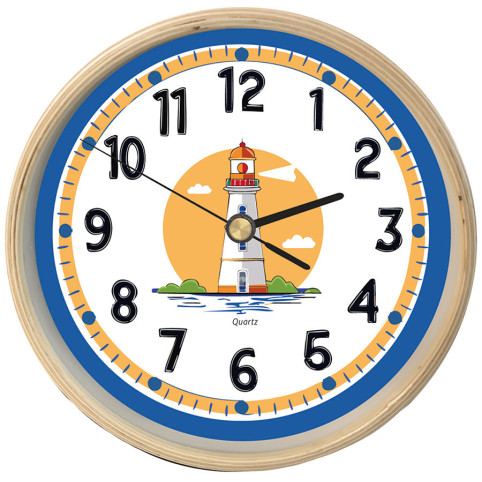
Original nautical-inspired wall clock with a wooden and glass frame. In the centre of the clock there is a printed lighthouse that will give a nautical air to your home or office. Nautical clock made of wood with a rustic finish. It works with one AA battery (not included). Diameter 32 cm.
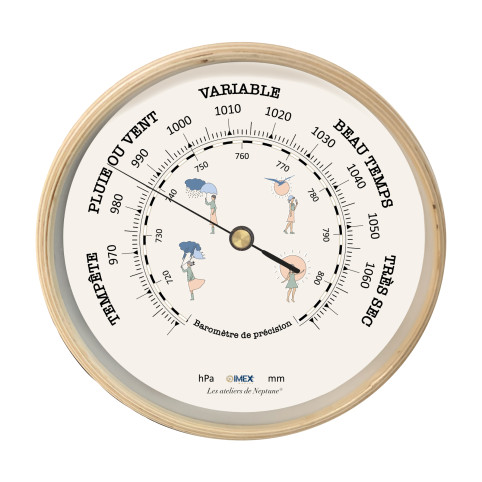
Elegant precision barometer with a nautical and decorative style, presented in a round natural wood frame. Its clear dial combines traditional weather indications — Storm, Rain or Wind, Changeable, Fair Weather and Very Dry — with delicate illustrations representing different weather conditions. The dial displays atmospheric pressure in hPa and...