- -30%
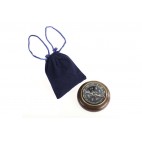
Antiqued brass and acacia wood compass with dial. Decorative marine piece can be used as a paperweight.
The compass (from the Latin "passus" ("step")) opened up the world to exploration and discovery. The principle of the magnetic needle was already known to the Chinese in the 3rd century BC and was first used by feng shui priests to tell them where and how to build. It was adapted to maritime navigation by Chinese sailors around the year 1000. The first compasses comprised a magnetic needle floating in a bowl of water, with the needle suspended on a thread or threaded through a reed. The Arabs perfected this by mounting the needle on a pivot. The compass arrived in Europe between the 10th and 11th centuries, enabling sailers to cross the oceans and explorers to discover the continents. The first instrument to resemble the modern compass is attributed to Portuguese citizen .
Antiqued brass and acacia wood compass with dial. Decorative marine piece can be used as a paperweight.
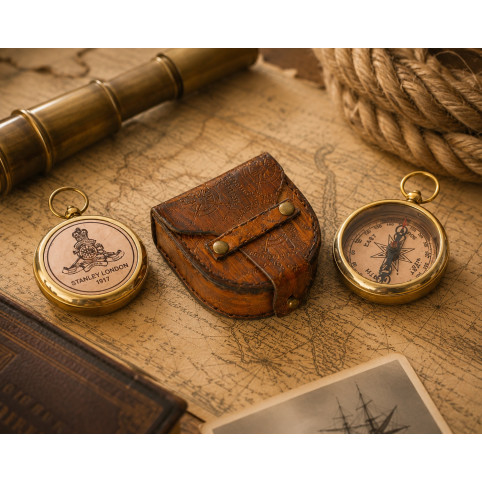
Reproduction of an old compass with beautiful leather case engraved with drawings of marine anchors. Made of polished brass whose background is decorated with a beautiful wind rose.
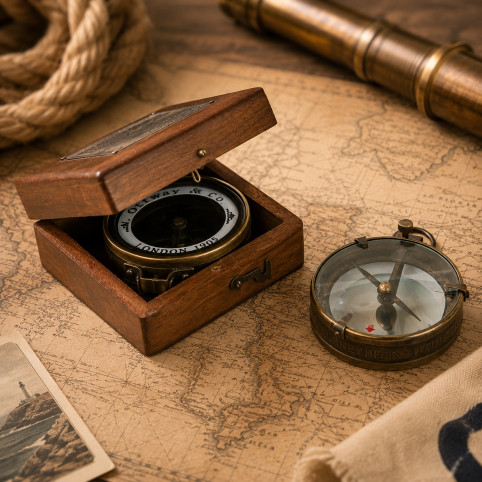
Brújula en latón envejecido con una cajita de madera de palisandro decorada de un placa en latón.
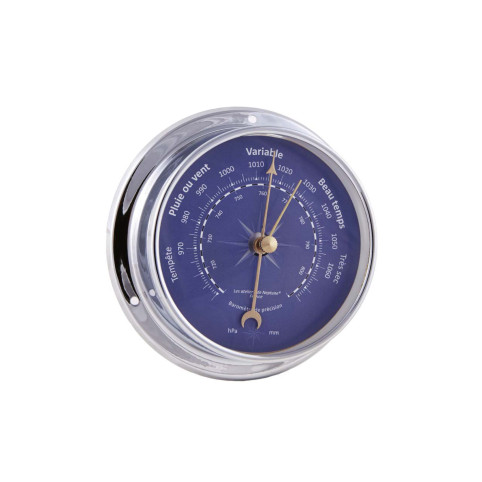
IMEX barometer, a great benchmark in quality measurement devices. This elegant IMEX barometer analyses pressure variations allowing it to predict the weather. Made with brass plated metal. Made in Spain. Guaranteed 1 year. 11.5x3.5x11.5 cm.
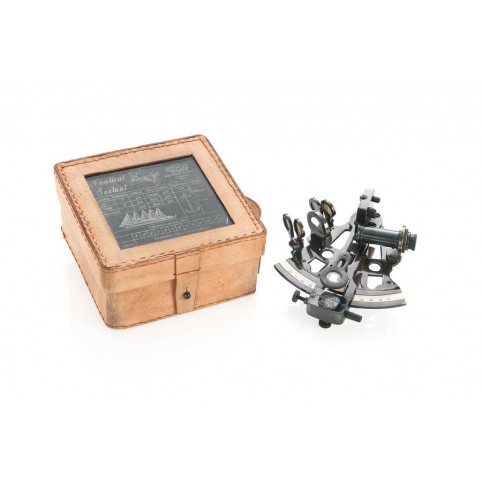
Sextant in old brass with a leather case and screen-printed glass lid.
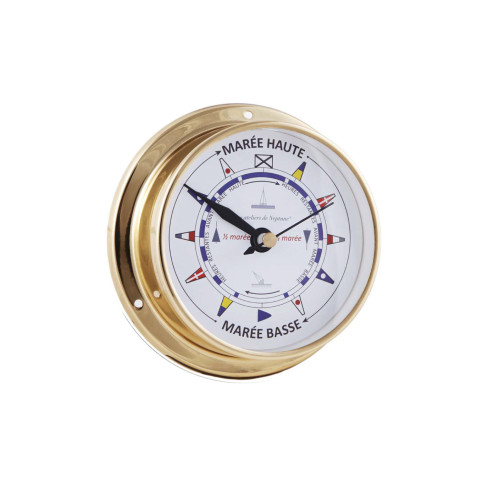
High precision tide indicator. An indispensable instrument to know the level of the tides throughout the year and to be able to enjoy the sea or the beach at high or low tide hours. Once you receive the instrument, adjust it to the tide times of the place where you are during the full moon. The tide indicator only needs to be adjusted once at the place...
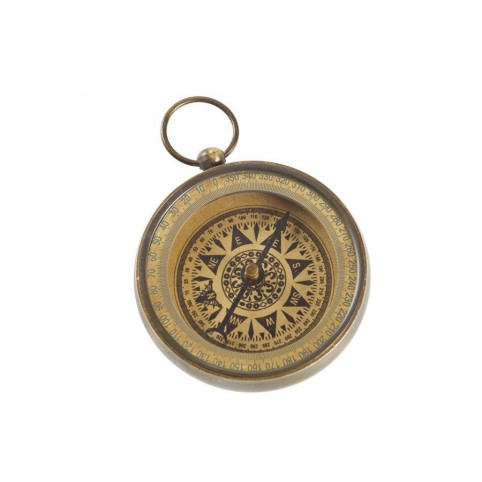
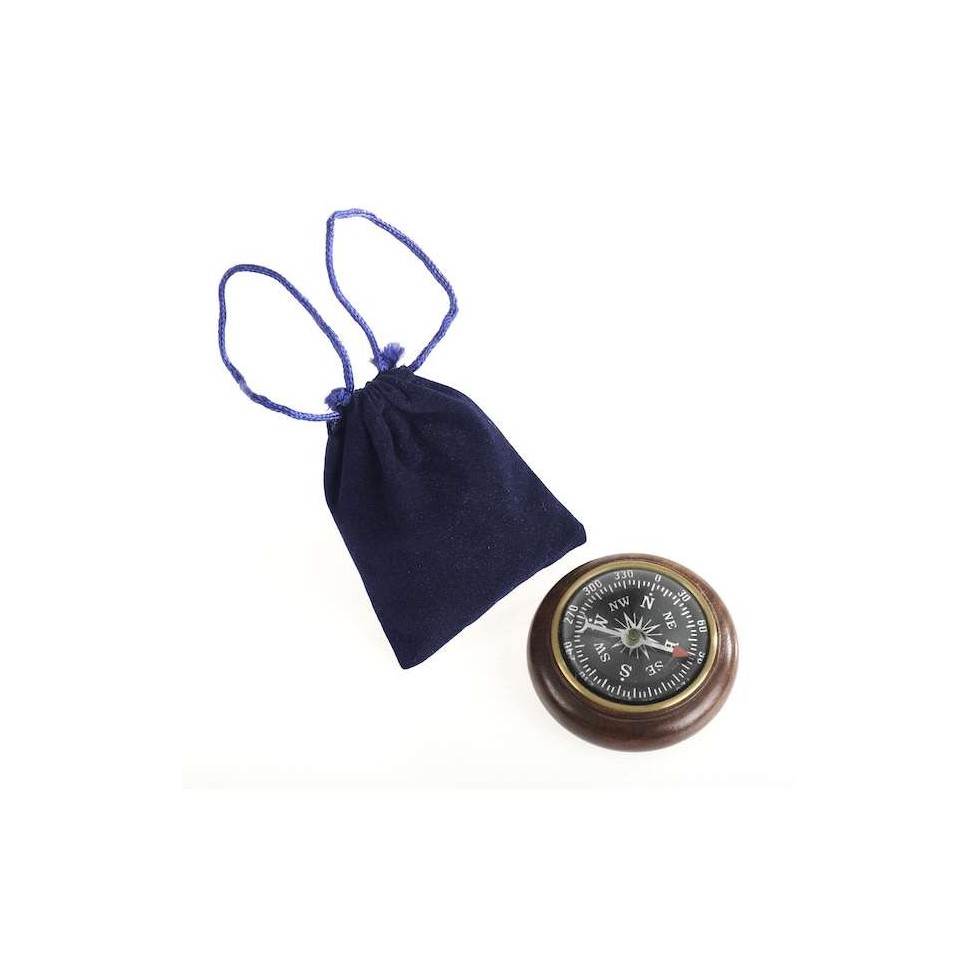
Brass compass with lovely compass rose. Comes with navy blue velvet bag.