- -30%
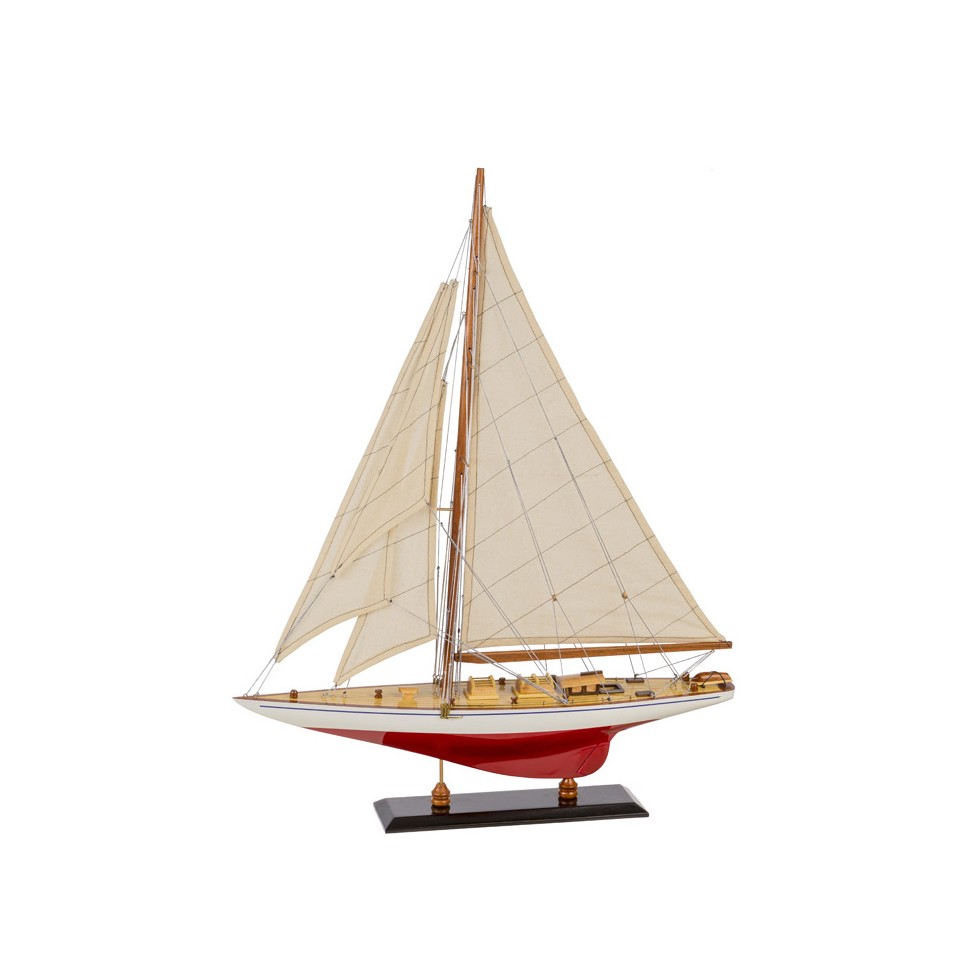
The Shamrock II was designed in 1900 by naval architect George Lennox Watson for Sir Lipton of the Royal Ulster Yacht Club and was built by the William Denny & Brothers shipyard. The fourth and last sailing boat designed by Watson for the America's Cup, she was launched on 30 April as the British challenger to America's Columbia in the 1901 Cup. Skippered by Edward Isaac Sycamore, she was defeated 3 stages to 0.
Handcrafted decoration model in wood.
Packaging: Dismantled mast.
The Shamrock II was designed in 1900 by naval architect George Lennox Watson for Sir Lipton of the Royal Ulster Yacht Club and was built by the William Denny & Brothers shipyard. The fourth and last sailing boat designed by Watson for the America's Cup, she was launched on 30 April as the British challenger to America's Columbia in the 1901 Cup. Skippered by Edward Isaac Sycamore, she was defeated 3 stages to 0.
Handcrafted decoration model in wood.
Packaging: Dismantled mast.
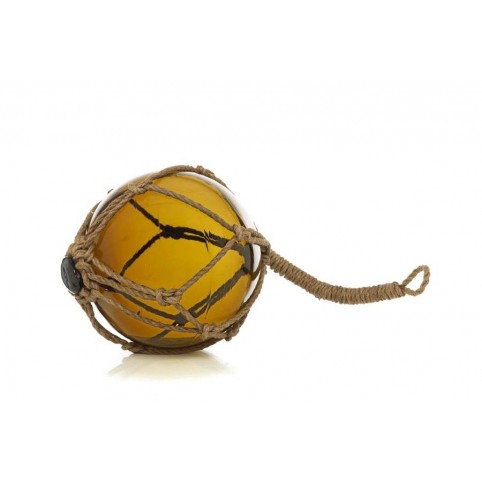
Orange fishing float. Glass ball in braided hemp net. Until the 1950s fishermen attached these to their nets to keep them afloat while they drifted with the current. Lends a decorative marine touch
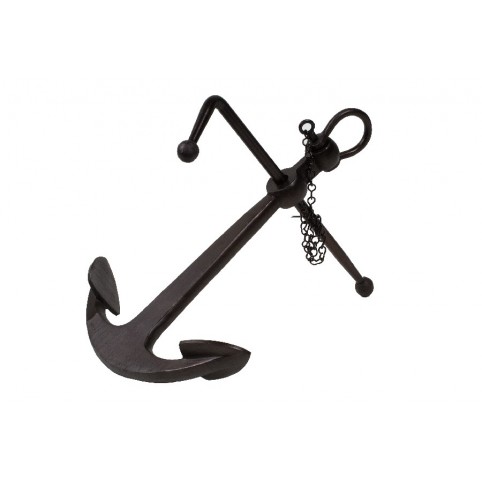
Decorative kedge anchor in aluminium. Attractive reproduction of the anchors used to prevent drifting as boats were driven by the winds or currents.
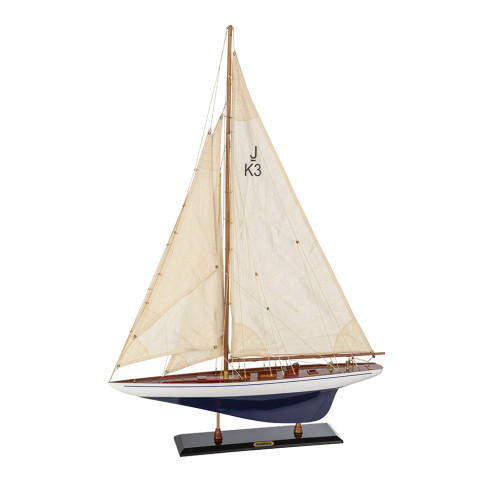
The Shamrock II was designed in 1900 by naval architect George Lennox Watson for Sir Lipton of the Royal Ulster Yacht Club and was built by the William Denny & Brothers shipyard. The fourth and last sailing boat designed by Watson for the America's Cup, she was launched on 30 April as the British challenger to America's Columbia in the 1901 Cup....
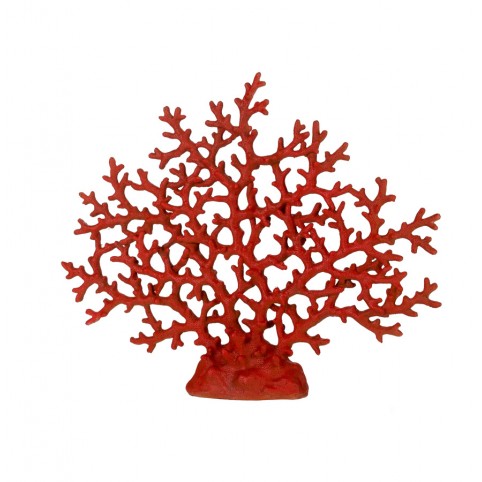
This beautiful marine object inspired by coral reefs will light up your interior. Marine coral made of resin.
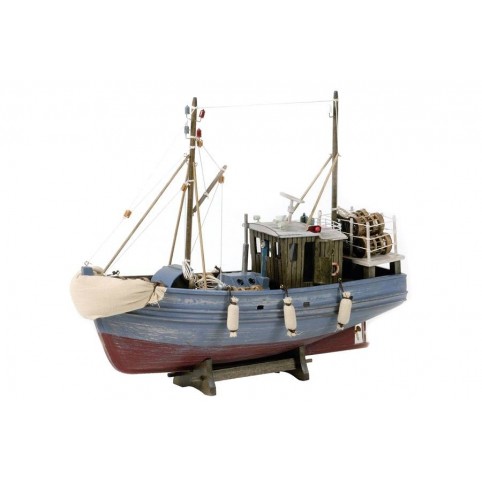
Fishing boat used predominantly for fishing crabs, spider crabs and lobsters. Rustic nautical model boat hand made in wood.
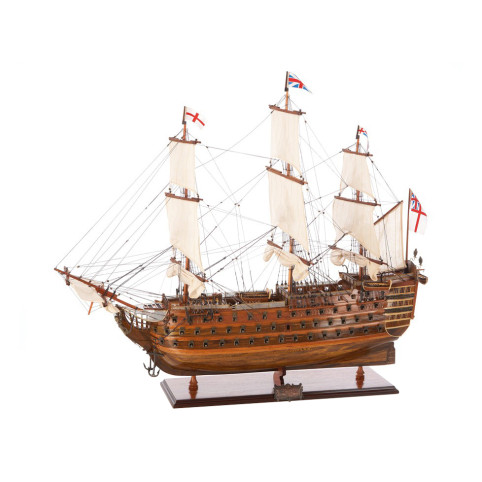
The HMS Victory is a 100 gun first-rate ship of the line, laid down in 1759 and launched in 1765. Put to service in 1778, she served in the American War of Independence, the French Revolution and the Napoleonic Wars. Today she is flagship of the First Sea Lord and has been preserved as a museum ship.Decoration model in wood with high quality finishes,...
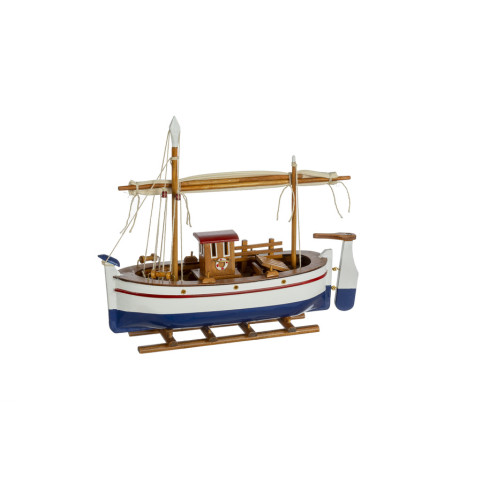
Pay tribute to traditional fishing with this Sardinal boat model, inspired by the iconic vessels once used for sardine fishing in the Mediterranean. This handcrafted piece stands out for its fine artisanal work and hand-painted finish in white, blue, and natural wood tones. It features charming details such as the small rudder, a mast with rolled sail,...
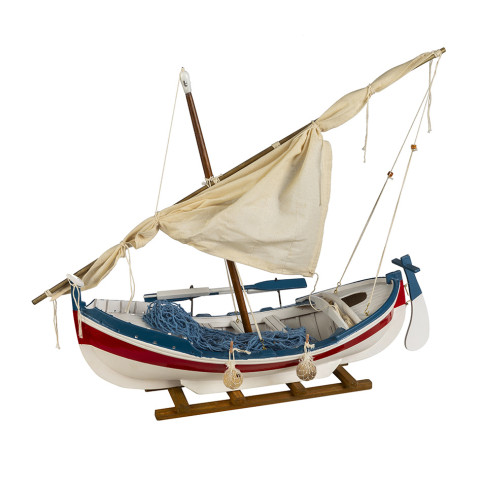
Decorative model of a mediterranian boat. The llaüt is small sailing boat typical from the island of Menorca. It's stability in the water makes it the perfect vessel for recreational sailing or for past-time fishing. The first builder of the llaüts were knows as "mestres d'aixa" [master ship carpinters]. Made in wood, painted and built entirely by hand.
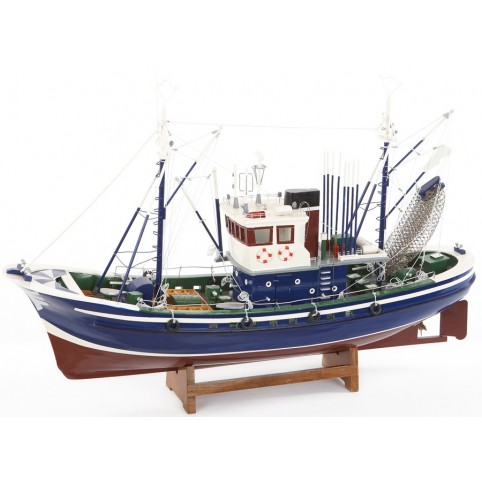
Typical basque boat originally created for tuna fishing. They are characterized by a raised prow that protects them from the battering of the waves.Fully assembled model. Hand-painted and handmade from wood
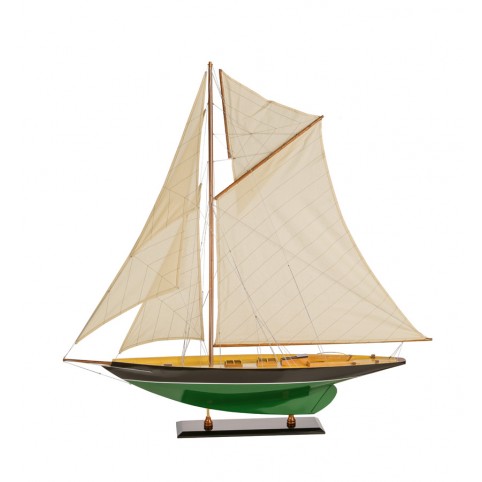
Reproduction of a model inspired by the sailing boat Pen Duick (1898), one of the boats used by the famous French navigator Eric Tabarly and designed by Scotsman William Fife. The name Pen Duick in Breton means "little black head", a term used to refer to the black-capped tit. Handcrafted in wood and hand painted.