
- -30%
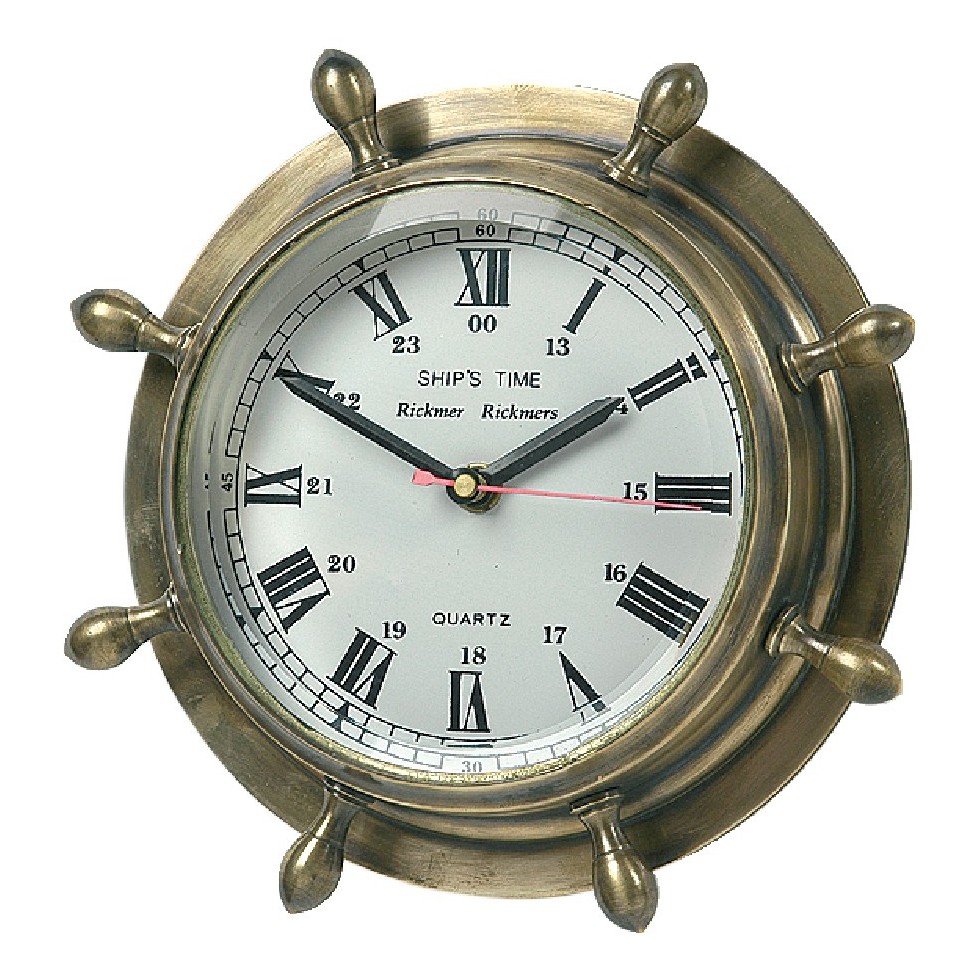
Decoration ship´s wheel clock in antiqued brass with roman numerals.
Delivered without batteries. Battery type : AA - 1;5V
Decoration ship´s wheel clock in antiqued brass with roman numerals.
Delivered without batteries. Battery type : AA - 1;5V
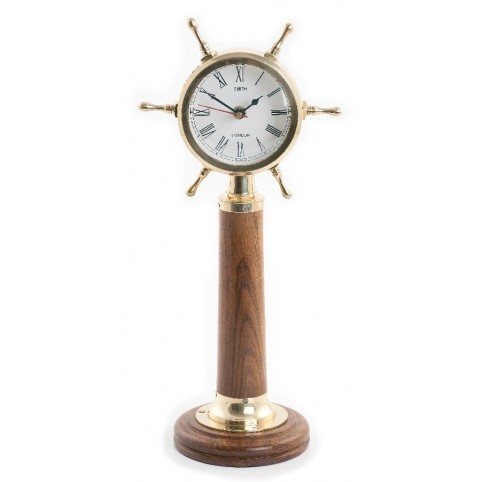
Original decorative ship wheel clock in brass and rosewood.
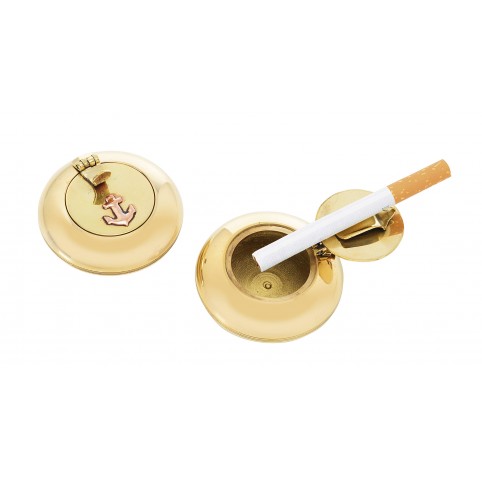
Mini round ashtray with cigarette holder lid.Solid brass with marine anchor decoration.
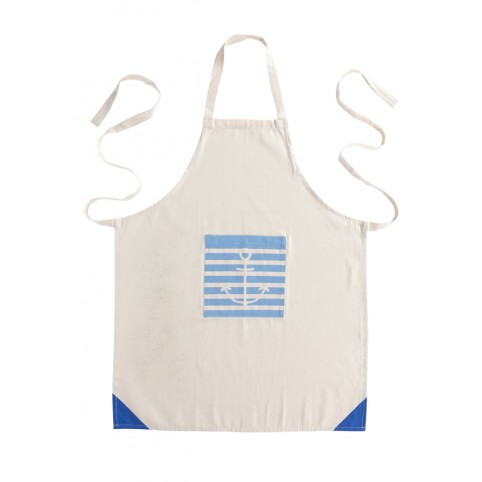
Sailor-style kitchen apron with a pocket stamped with an anchor design. One size. Composition: 100% cotton.
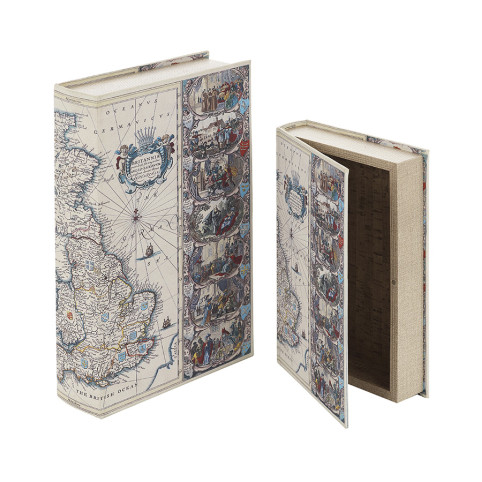
This set of two book-shaped boxes is made of MDF wood and canvas. arranged among the books of a library, it is an excellent way to hide savings or valuables.. A very original marine gift idea! The measurements of each book box are: - Large: 33.3x22x7 cm - Small: 26.3x17x4.7 cm
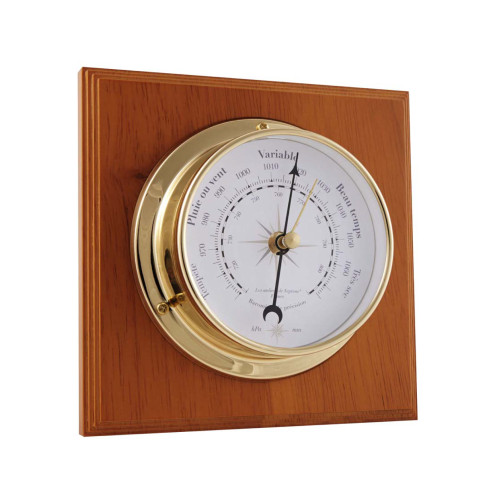
Polished brass barometer mounted on a wooden base. Its black dial makes it easy to follow changes in atmospheric pressure thanks to its clear weather indications. Both useful and decorative, it combines the warmth of wood with the shine of brass for an authentic and timeless nautical style. Perfect for a living room, office or seaside home, it also makes...
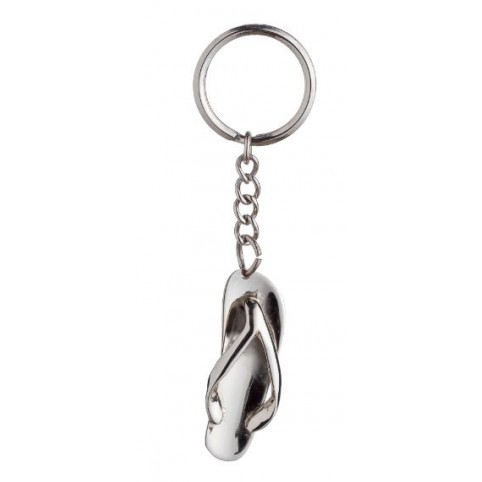
Nautical flip-flop keychain. Made of nickel and mounted with a screw carabiner closure.
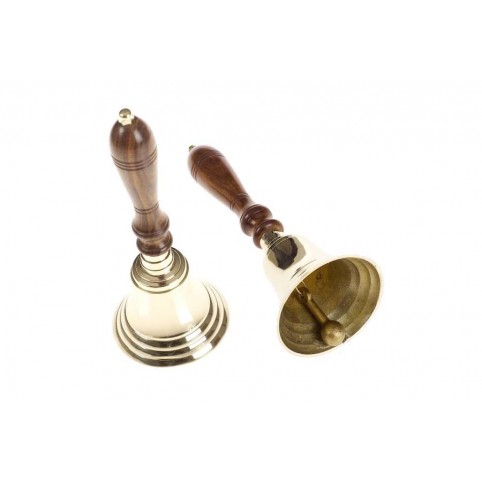
Nautical Bell: A Sound Steeped in History For centuries, nautical bells have marked the rhythm of life aboard ships. Their ringing signalled changes of watch, marked the passage of time, and alerted the crew to potential dangers. Today, this elegant brass bell with a wooden handle keeps alive one of the oldest traditions of seafaring. A small nautical...
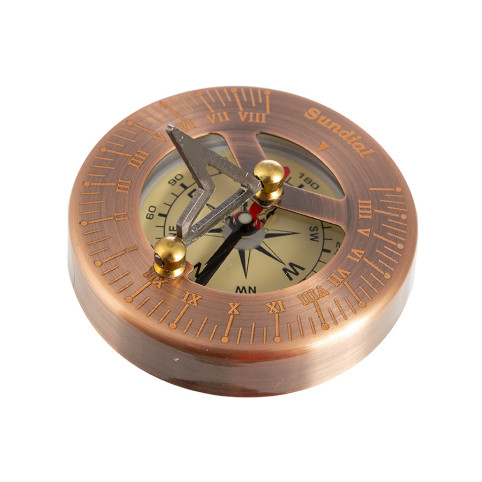
This pocket compass features a sundial, an ancient method of orientation that allowed people to estimate the time of day using the sun’s position. Though now used as a decorative item, it remains a symbol of adventure. Perfect as a meaningful gift, travel keepsake, or thoughtful detail. Approximate dimensions: 5 cm x 1 cm x 5 cm. Not suitable for...
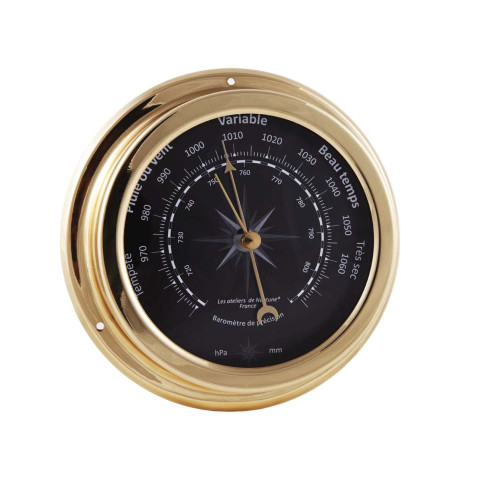
This elegant IMEX Marine barometer analyses pressure variations allowing it to predict the weather. Made of brass. Made in Spain. Guaranteed 1 year. 14.5x4x14.5 cm.
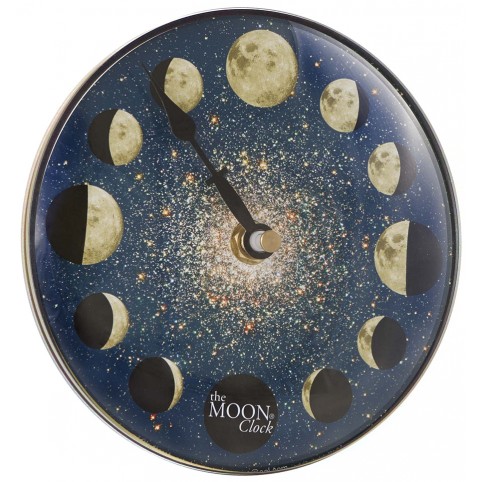
High-precision moonphase watch from the prestigious IMEX Marine brand. Clear acrylic frame. Made in Spain. 1 year warranty. 13.6x136x3 cm.
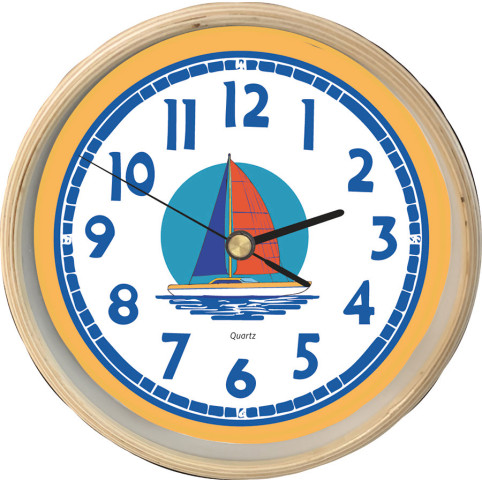
Original nautical-inspired wall clock with a wooden and glass frame. In the centre of the clock there is a printed sail boat that will give a nautical air to your home or office. Nautical clock made of wood with a rustic finish. It works with one AA battery (not included). Diameter 32 cm.
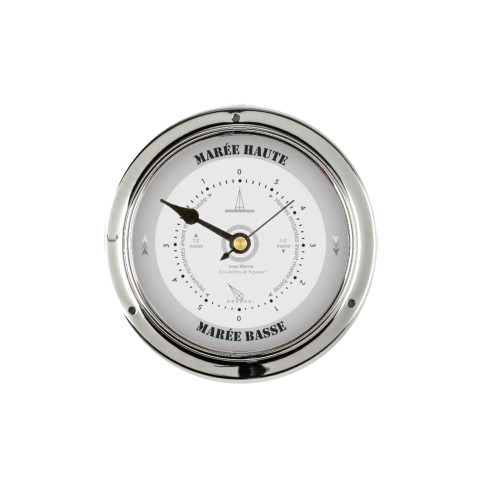
High precision tide indicator. An indispensable instrument to know the level of the tides throughout the year and to be able to enjoy the sea or the beach at high or low tide hours. Once you receive the instrument, adjust it to the tide times of the place where you are during the full moon. The tide indicator only needs to be adjusted once at the place...