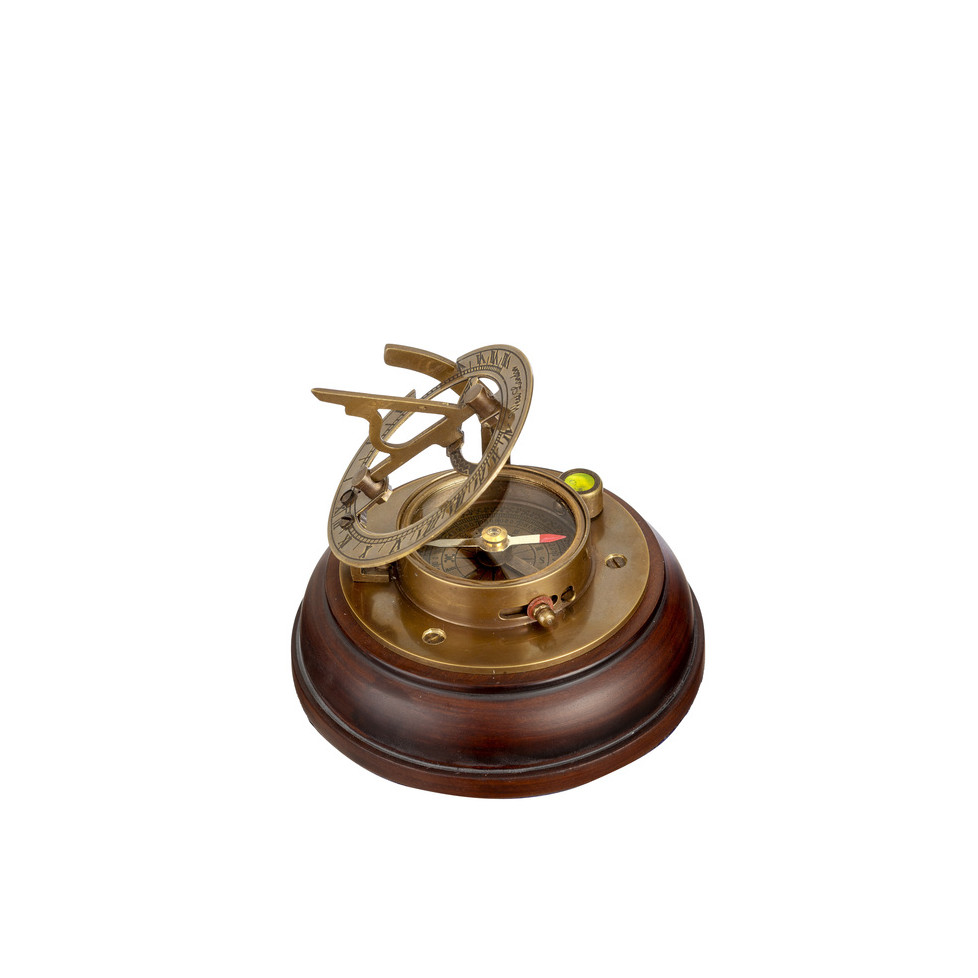

Sundial-compass in old brass on a cylindrical base made of acacia wood.
SOLAR QUADRANT NAUTICAL COMPASS
The invention of the portable equinoctial sundial is attributed to Nicolas Rugendas, master watchmaker of German origin in 1620 and author of the oldest dial of the Augsburg type.
The first portable equinoctial clocks appeared in southern Germany, during the reign of Charles V, at the beginning of the 16th century. They acquired their popularity only in the seventeenth century under the name of "Augsburg dials".
Sundial-compass in old brass on a cylindrical base made of acacia wood.
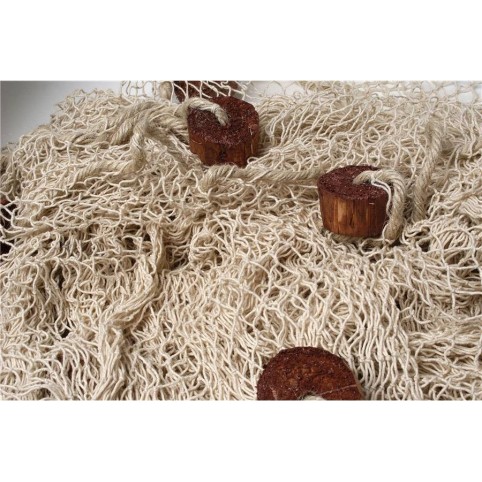
Ecru cotton fishing net edged with floats attached with hemp rope.For a decorative marine touch. 170 x 170cm
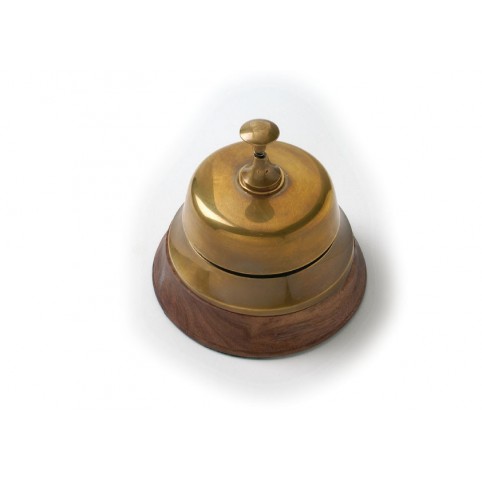
Antiqued brass counter bell with acacia wood base.
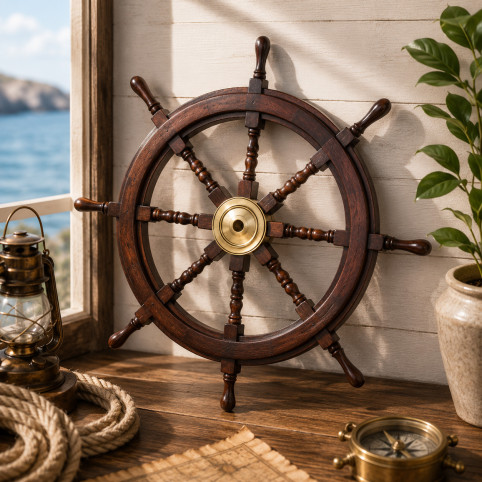
Handcrafted reproduction of 19th century tall ship's wheel.
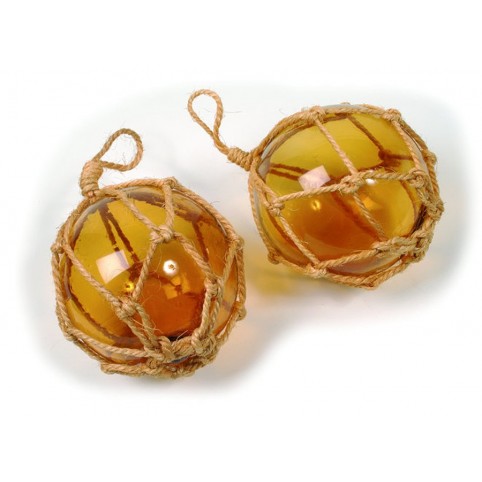
Orange fishing float. Glass ball in braided hemp net. Until the 1950s fishermen attached these to their nets to keep them afloat while they drifted with the current.Lends a decorative marine touch. The indicated price corresponds to the purchase of a single buoy.
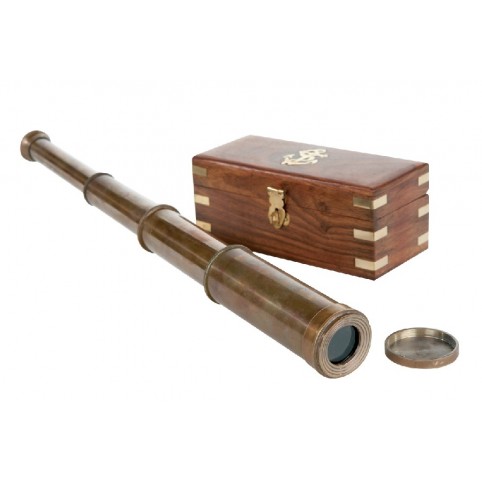
Reproduction of a 4-tube telescope in aged brass. Delivered with a beautiful sheesham wood box decorated with brass inlays. The spyglass arose between the 16th and 17th centuries. The creation is attributed to the Dutch Hans Lippershey. In the past it was used mainly by sailors and naturalists.
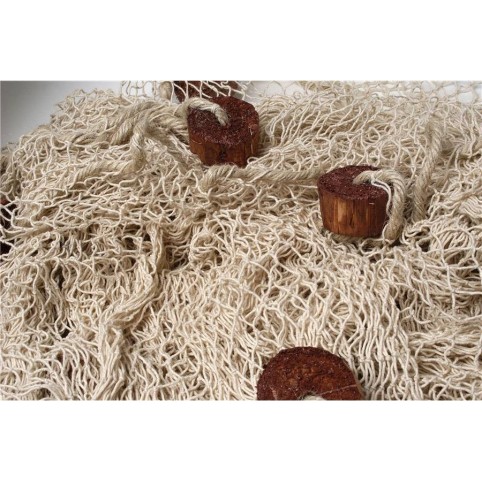
Ecru cotton fishing net edged with floats attached with hemp rope.For a decorative marine touch.
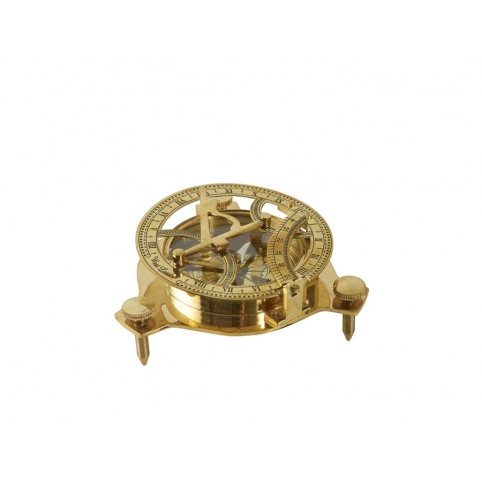
Brass sundial-compass with a sheesham wood case decorated with brass inlays.
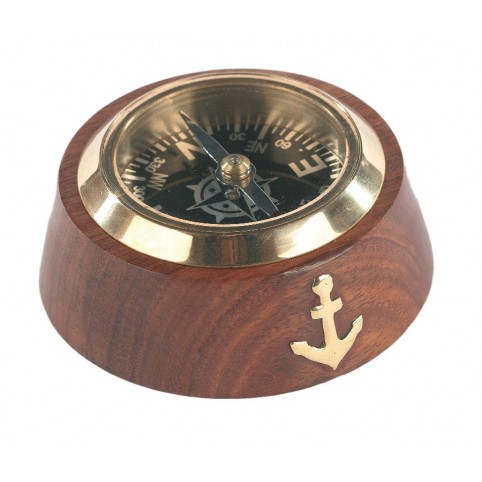
Nautical compass reproduction in brass and acacia wood base.
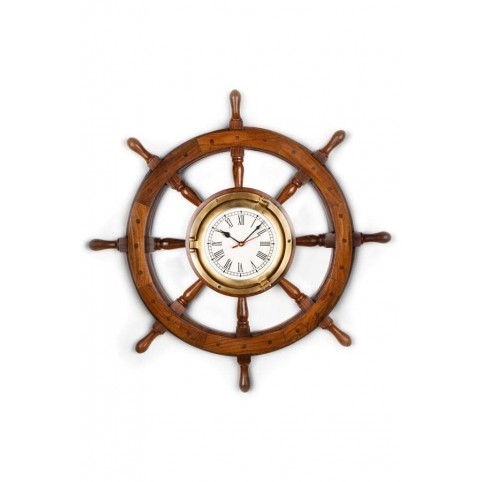
Decoration 8-spoke ship's wheel with clock. Rosewood with 3-hand clock in brass.
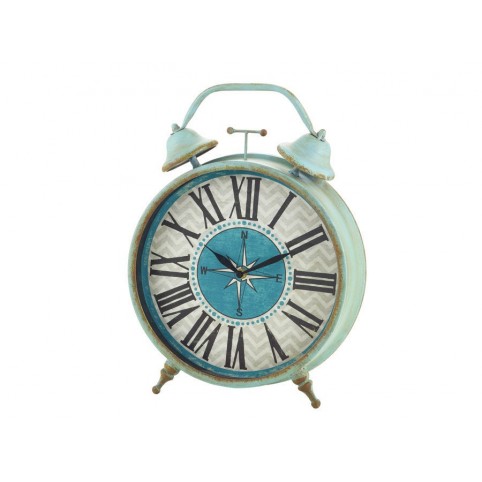
NAUTICAL CLOCK. Retro and unique clock decorated with a beautiful compass rose. Made in metal.
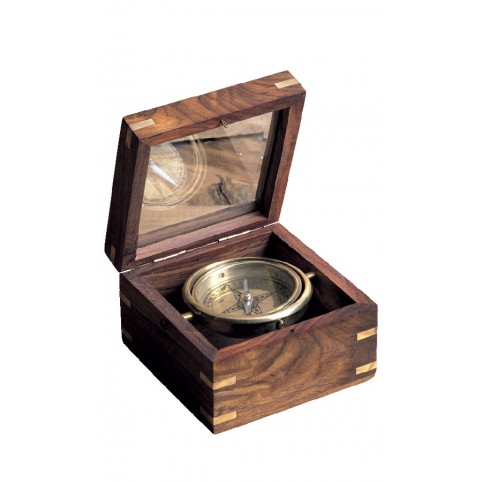
Decorative compass made of brass and sheesham wood.
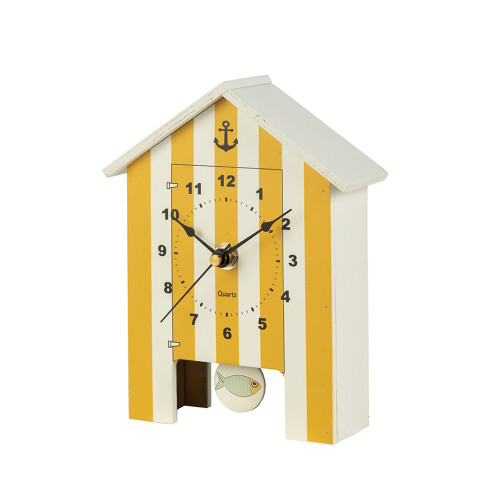
Original pendulum table clock in the shape of a beach hut. Give your home a touch of the coast with this exclusive clock. It is made of wood and handcrafted in Spain. A drawing of a marine sailboat is printed on the pendulum. This is a gift idea for those in love with the sea and the beach. It works with one AA battery (not included) that can be easily...