- -30%
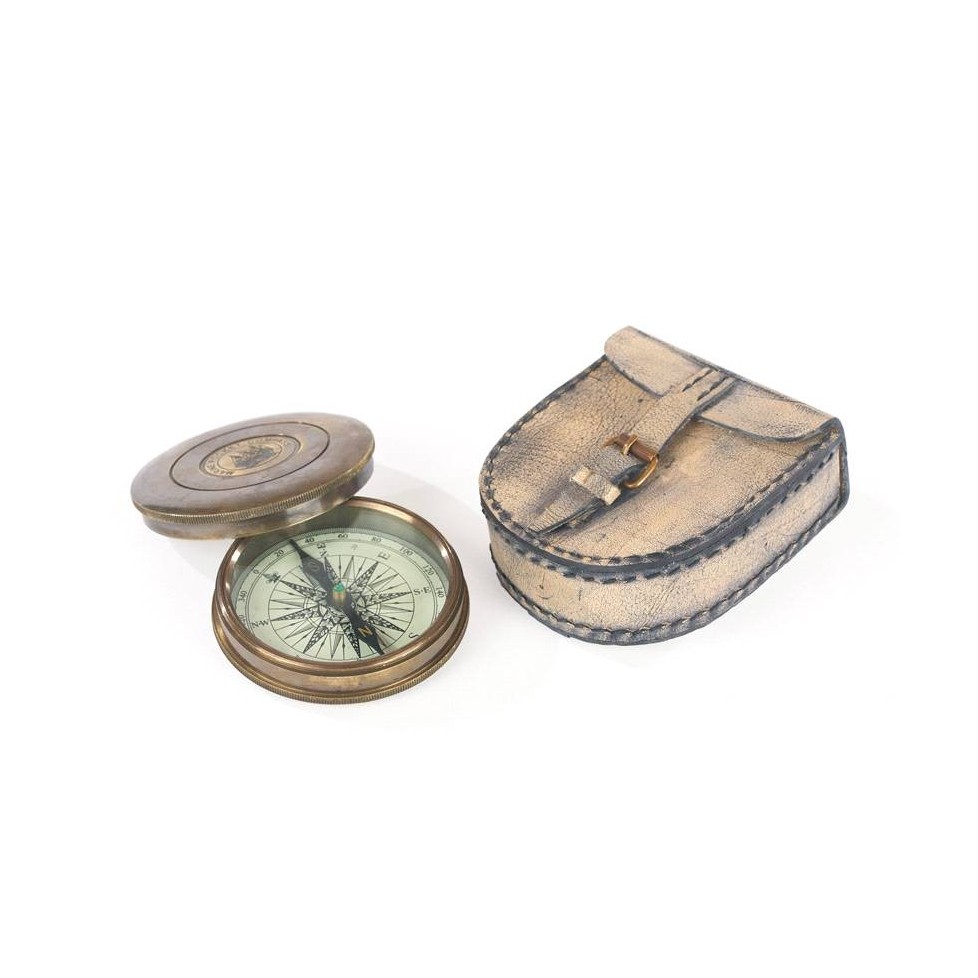
Reproducción de una brújula antigua en latón envejecido cuyo fondo esta decorado de una bonita rosa de los vientos. Su tapa de rosca protegerá el cristal. Viene con un bonito estuche de cuero patinado.
La palabra "brújula" proviene del italiano "bussola" (cajita). La brújula abrió el mundo de la exploración y de los descubrimientos. En el siglo III antes de JC, los chinos ya utilizaban el principio de la aguja magnética. Fue utilizada por primera vez por los sacerdotes feng shui, con el fin de indicar dónde y cómo construir. Los marineros chinos la adaptan a la navegación, alrededor del año 1000, con el fin de mantener el rumbo. La primera brújula consistía en un recipiente lleno de agua en el que flotaba una aguja magnética suspendida de un hilo o enhebrado a través de una caña. Los árabes la perfeccionan montándola sobre un eje. Llega a Europa entre los siglos X y XI, permitiendo a los navegantes de atravesar los océanos y a los exploradores de descubrir los continentes. El primer instrumento que se parece al que existe actualmente se debe al portugués Ferrande (1483).
Reproducción de una brújula antigua en latón envejecido cuyo fondo esta decorado de una bonita rosa de los vientos. Su tapa de rosca protegerá el cristal. Viene con un bonito estuche de cuero patinado.
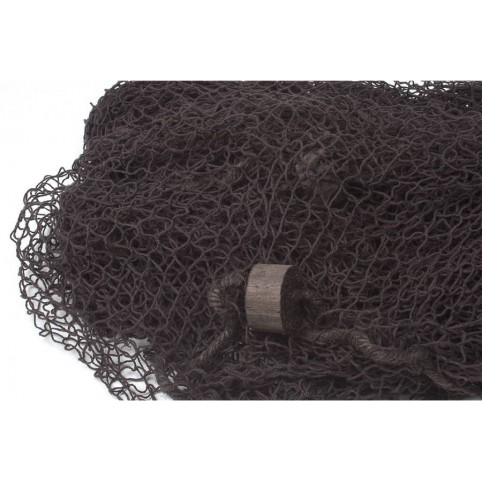
Brown cotton fishing net edged with floats attached with hemp rope.For a decorative marine touch. 170 x 170cm
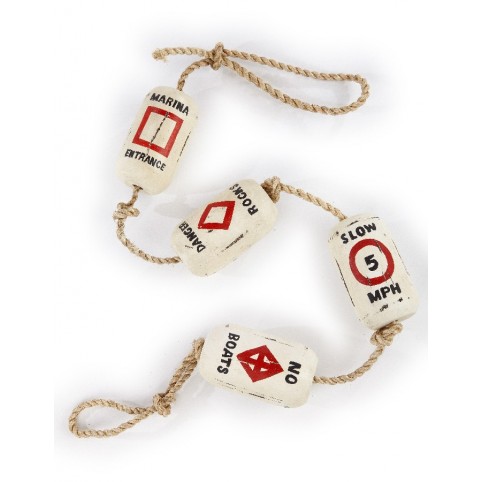
1, 2, 3, 4 buoys! Marine style marine garland of wood joined with a hemp rope. Hand-painted.
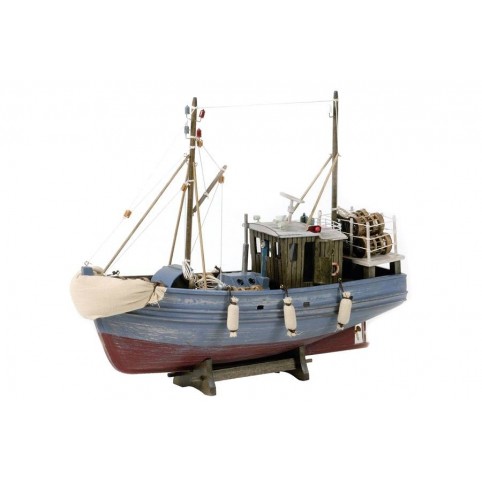
Fishing boat used predominantly for fishing crabs, spider crabs and lobsters. Rustic nautical model boat hand made in wood.
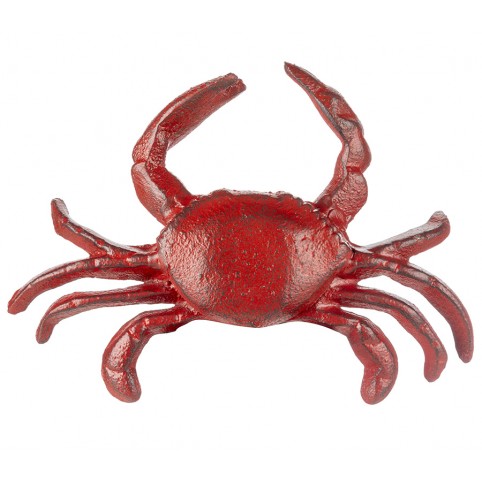
Decorative iron figure in the shape of a crab to give a nautical touch to your home.
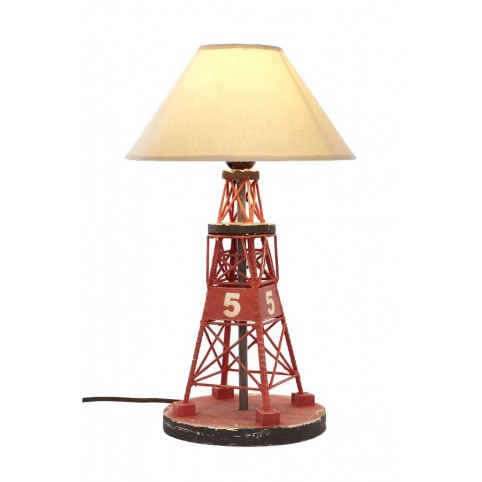
Brighten up your home with this beautiful buoy shaped lamp, inspired by floating nautical buoys. Rustic style lamp made with metal and hand painted. The lampshade is included.
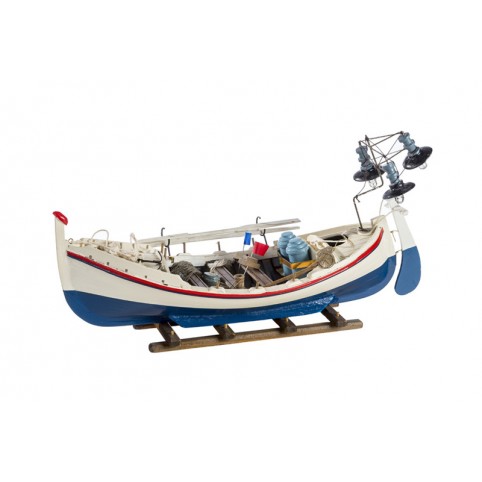
Bot de llums (light boats) are traditional fishing boats off the Mediterranean coast dedicaded to night-time fishing. Before the advent of lamps, "bot de llums" used torches to light their path. Hand-painted and handmade from wood.
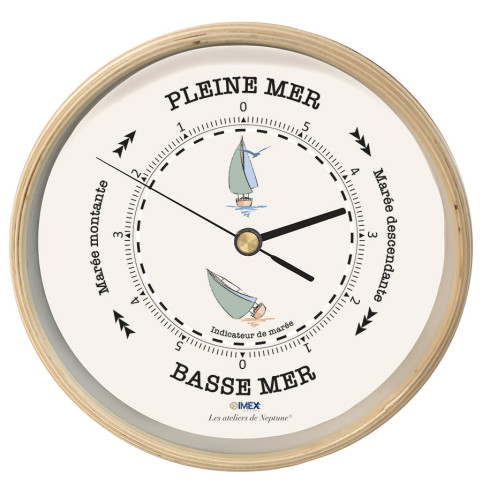
IMEX Marine tide indicator, a great benchmark in quality measurement devices. With a single glance, this elegant tide indicator IMEX Marine offers you the level of the tides throughout the year.
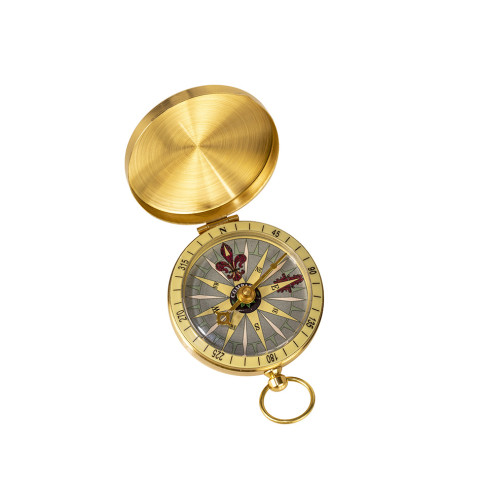
Elegant nautical-inspired compass made of brass. The bottom of the compass is decorated with a printed compass rose. This nautical piece is an original gift idea and this instrument was used to determine directions at open sea.
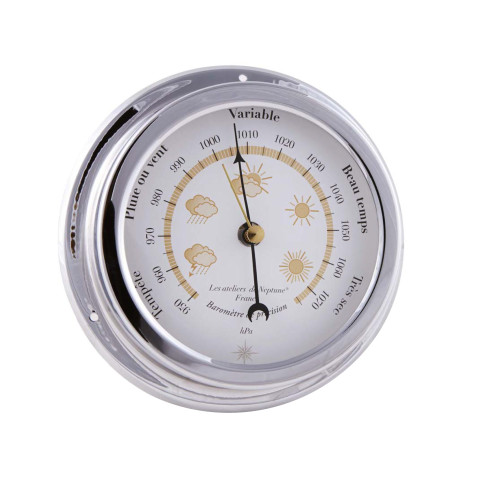
IMEX Marine barometer, a great benchmark in quality measurement devices. This elegant IMEX Marine barometer analyses pressure variations allowing it to predict the weather. Made with brass plated metal. Made in Spain. Guaranteed 1 year. 14.5x4x14.5 cm.
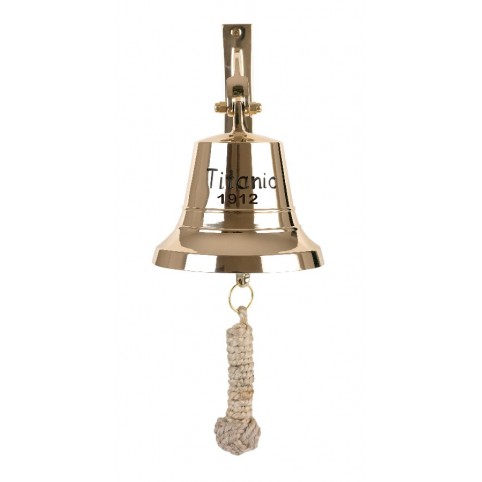
"TITANIC" ship's bell in brass with lanyard. In the past this essential instrument was used to organise life on board by regulating the duty watches. It was also used as an alarm bell in thick fog and to mark celebrations.
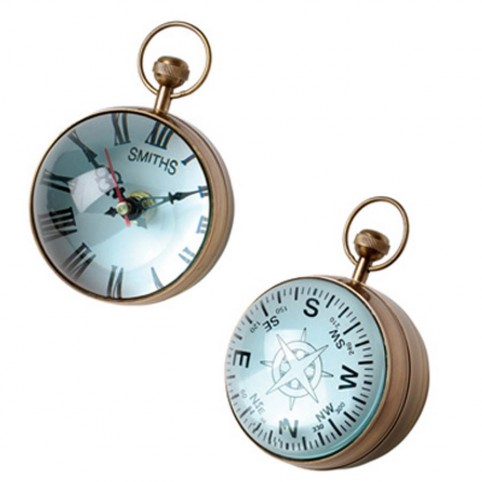
RELOJ BOLA DE CRISTAL
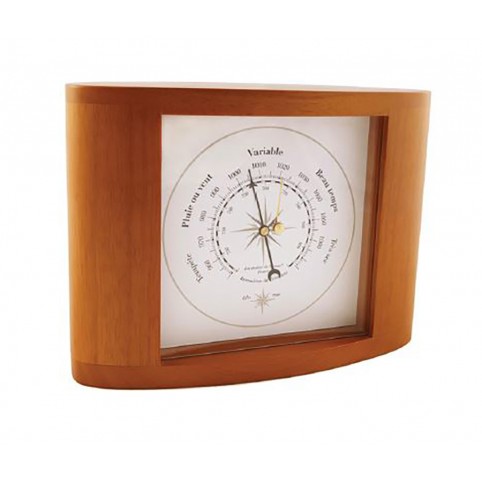
This precision IMEX MARINE barometer is presented in an elegant wooden frame with carefully finished details. Its clear and refined dial makes it easy to monitor changes in atmospheric pressure and the main weather trends. Made from good-quality materials, it combines reliability, easy readability and elegance. Both practical and decorative, it is ideal...