
- -30%
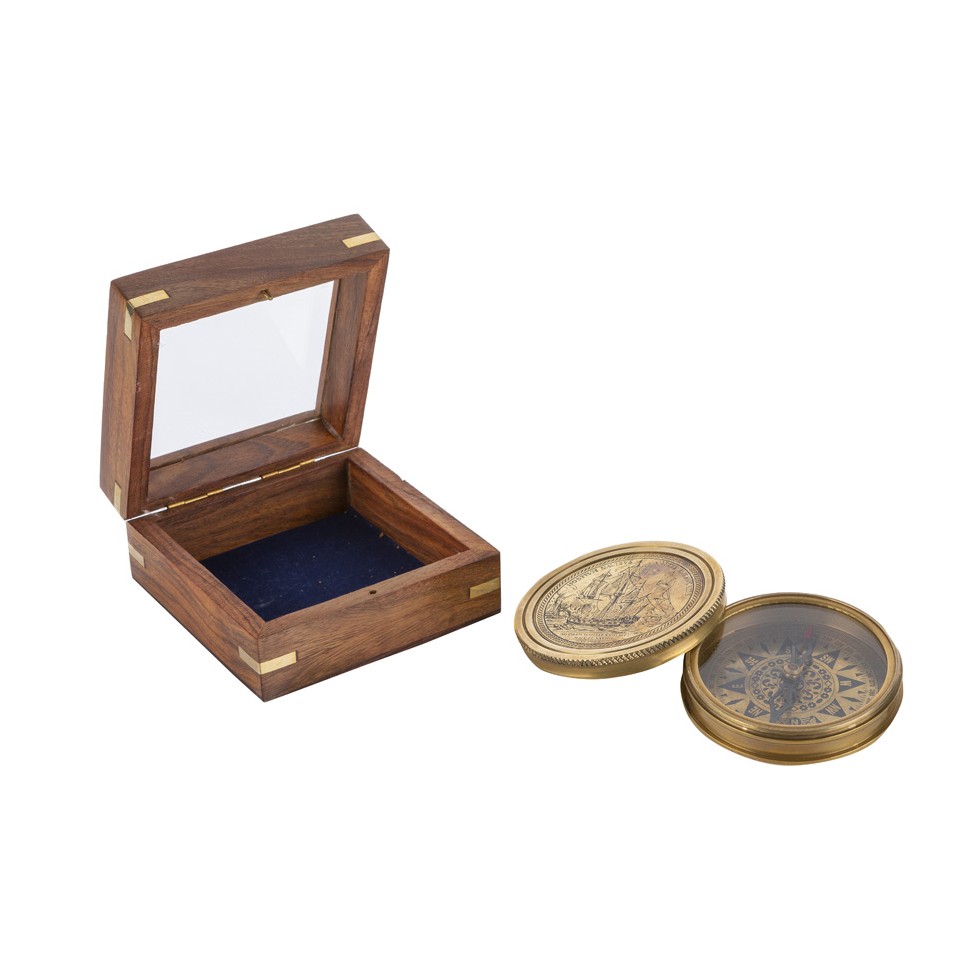
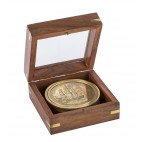
Antiqued brass compass reproduction with a box of acacia wood and small glass window.
The compass opened the world of exploration and discoveries. The first compass consisted of a container filled with water in which a magnetic needle floated suspended from a thread or threaded through a reed. The Arabs perfect it by mounting it on an axis. It arrives in Europe between the 10th and 11th centuries, allowing navigators to cross the oceans and explorers to discover the continents. The first instrument that resembles the one that currently exists is due to the Portuguese Ferrande (1483).
Antiqued brass compass reproduction with a box of acacia wood and small glass window.
The compass opened the world of exploration and discoveries. The first compass consisted of a container filled with water in which a magnetic needle floated suspended from a thread or threaded through a reed. The Arabs perfect it by mounting it on an axis. It arrives in Europe between the 10th and 11th centuries, allowing navigators to cross the oceans and explorers to discover the continents. The first instrument that resembles the one that currently exists is due to the Portuguese Ferrande (1483).
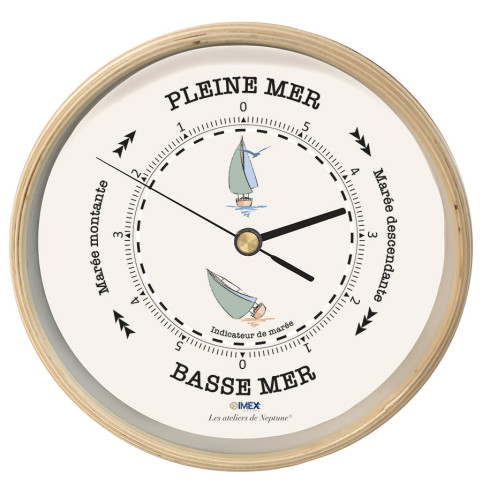
IMEX Marine tide indicator, a great benchmark in quality measurement devices. With a single glance, this elegant tide indicator IMEX Marine offers you the level of the tides throughout the year.
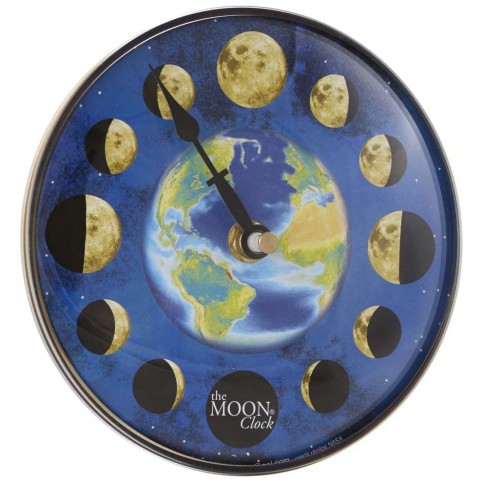
High-precision moonphase watch from the prestigious IMEX Marine brand. Clear acrylic frame. Made in Spain. 1 year warranty. 13.6x136x3 cm.
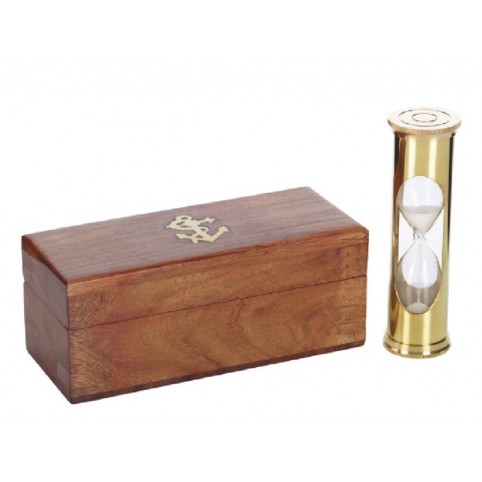
Decorative brass sandglass with an acacia wood box. It runs for about 1 minute.
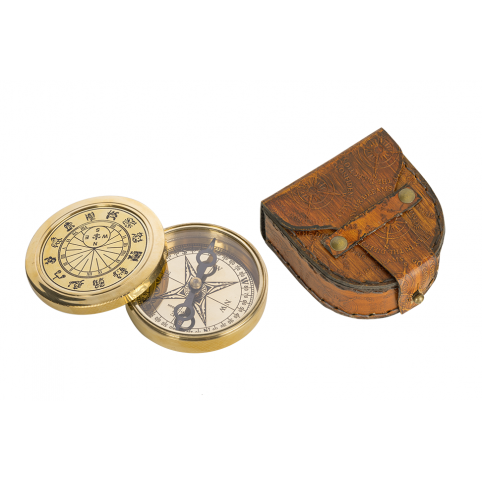
The compass opened the world of exploration and discoveries. The first compass consisted of a container filled with water in which a magnetic needle floated suspended from a thread or threaded through a reed. The Arabs perfect it by mounting it on an axis. It arrives in Europe between the 10th and 11th centuries, allowing navigators to cross the oceans...
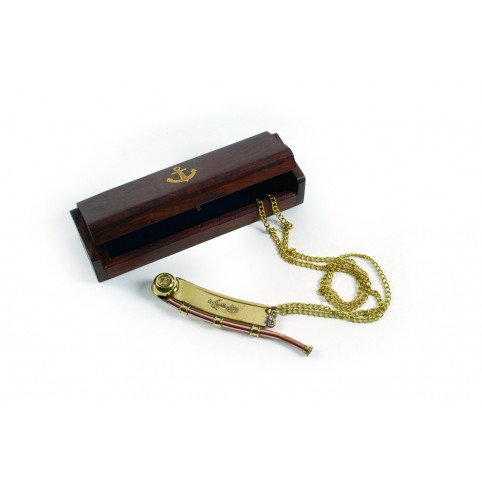
Fidel reproduction of a mastermaster whistle or old Bosco whistle made of varnished brass. The box is made of acacia wood in which a marine brass anchor has been embedded. For lovers of naval history, this whistle that dates back to the time of the sailing navy, was the instrument used by the officer in charge of the rigging of the sails (the Boatswain or...
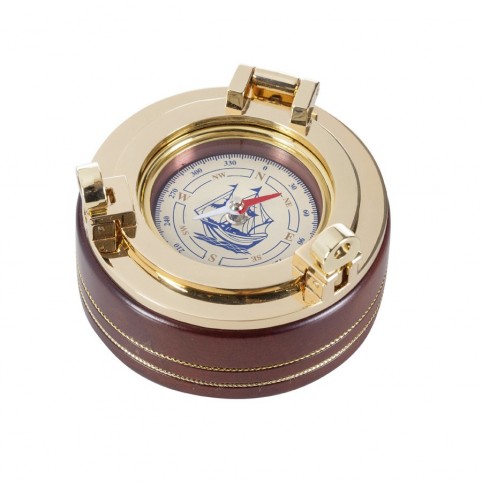
Brass porthole compass with wooden base.